When Winter Hits, You Need Reliable Garage Door Repair in Minnesota
If you live in Minnesota, your garage door works harder than almost any other mechanical system on your property. It goes up and down multiple times a day, often in subzero temperatures, and it takes a beating from snow, ice, and road salt. When something breaks, it is not just an inconvenience, it can leave your car stuck inside or your house exposed to the elements. That is when a solid understanding of garage door repair minnesota becomes essential for homeowners across the Twin Cities and beyond.
Understanding the Local Conditions
Minnesota winters are brutal on garage doors. The freeze-thaw cycle can warp tracks, crack weather seals, and cause springs to lose their tension. Combine that with the grit and moisture that gets tracked into the mechanism, and you have a recipe for premature wear. Many homeowners in Minneapolis and Saint Paul find that their doors start sticking or making grinding noises around February. That is not a coincidence, it is the cumulative effect of months of cold and moisture on metal parts and lubricants.
Spring replacement is one of the most common repairs in this climate. Torsion springs, which counterbalance the weight of the door, can snap without warning, especially if they are exposed to extreme cold for years. A snapped spring makes the door impossible to lift manually and can damage the garage door opener if you try to force it. Regular inspection of the springs, cables, and rollers can prevent sudden failures, but many homeowners do not think about it until the door refuses to budge.
Key Components That Need Attention
A garage door is a system of parts that work together. When one piece fails, the rest follows. Here are the components that tend to need service most often in Minnesota:

- Torsion Spring: These heavy coils lift most of the door's weight. They have a limited cycle life and can fail without warning. A professional spring replacement is not a DIY job, the tension can cause serious injury.
- Rollers and hinges: Steel rollers wear down over time, especially if the tracks are not perfectly aligned. Bent or worn rollers cause the door to bind and put extra strain on the opener.
- Weather seal: The rubber bottom seal and side seals keep out drafts, snow, and pests. A cracked or torn seal in Minnesota means cold air pours into the garage, which can freeze pipes and raise heating bills.
- Track alignment: A door that does not sit level in the tracks will not close properly. Misalignment often happens after a vehicle bumps the track or after years of settling in the foundation.
- Safety sensors: These infrared eyes detect obstructions and stop the door from closing. Snow buildup, ice, or a simple misalignment can trigger false readings and prevent the door from working.
Each of these issues can be addressed with routine maintenance, but when a part fails completely, you need someone who knows the local conditions. That is where the concept of garage door repair minnesota comes into play, the best service considers how the cold affects every component.
Garage Door Openers: The Brains of the Operation
The opener is what most people think of when the door stops working. But the opener is just a motor and a set of gears, it cannot compensate for a door that is out of balance or a track that is bent. Many homeowners in Minneapolis rush to replace the opener when the real issue is a worn spring or a misaligned track. A good technician will check the mechanical parts first before swapping out the opener.
Common opener brands in this area include LiftMaster, Chamberlain, and Genie. Each has its own quirks. LiftMaster openers are known for their rugged construction and are often found on heavy insulated steel doors. Chamberlain units are widely available and easy to find parts for. Genie openers have a distinctive screw-drive rail system that can be noisy but reliable. Wayne Dalton, Clopay, and Amarr are major door manufacturers whose products are often paired with these openers. Less common but still around are Ryobi and Craftsman openers, which tend to appear on newer homes or as part of a package deal.
If your opener is more than ten years old, it may lack modern safety features like rolling-code technology or battery backup. Newer models from LiftMaster and Chamberlain also have built-in Wi-Fi, which lets you monitor and control the door from your phone. That is a nice convenience, but it does not replace the need for proper mechanical maintenance.
Insulated Steel Doors and Energy Efficiency
Many homes in Saint Paul and the surrounding suburbs have insulated steel doors. These doors have a layer of foam insulation sandwiched between two steel skins. They are heavier than uninsulated doors, which means they require stronger springs and a more robust opener. The insulation helps keep the garage warmer in winter and cooler in summer, which is a real benefit if you use the space as a workshop or if you have living space above the garage.
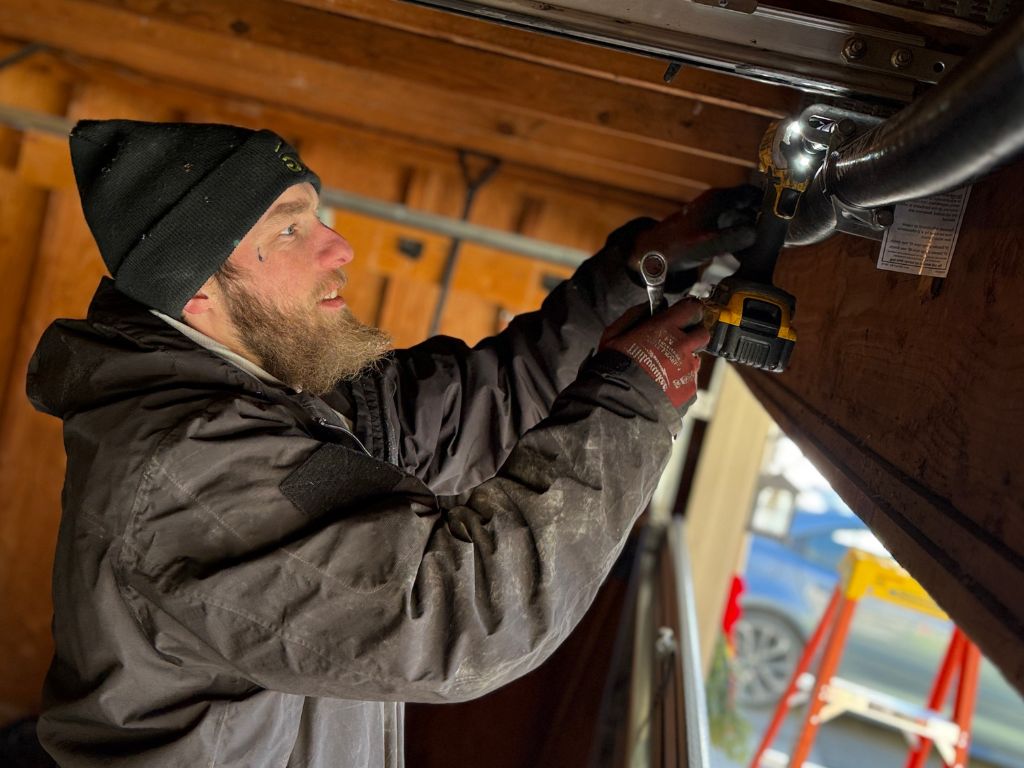
Over time, the insulation can degrade if the door is not properly sealed. Water intrusion from a damaged weather seal can cause the foam to absorb moisture, adding weight and reducing its R-value. If you notice that your garage feels colder than it used to, check the bottom seal and the side weather strips. A simple replacement can make a noticeable difference.
Safety Sensors: Small but Critical
Modern garage doors have safety sensors that prevent the door from closing if something is in the way. These sensors are located near the floor on both sides of the door. They send an invisible beam across the opening. If the beam is broken, the door reverses direction. In Minnesota, snow and ice can block the sensors or knock them out of alignment. Ice buildup on the sensor lenses is a common issue after a storm. Cleaning the lenses and adjusting the brackets is usually enough to restore function, but sometimes the sensors themselves fail and need replacement.
If your door reverses for no apparent reason, check the sensors first. Look for debris, ice, or a loose bracket. If the sensors are fine, the problem might be with the opener's logic board or the wiring between the sensors and the opener. A professional can diagnose that quickly.
When to Call a Pro vs. DIY
Some garage door tasks are safe for a handy homeowner. Lubricating the rollers and hinges, cleaning the tracks, and checking the weather seal are all straightforward. But anything involving springs, cables, or high-tension components should be left to a pro. A torsion spring stores enormous energy. Releasing it without the right tools and training can cause serious injury. Likewise, adjusting track alignment requires a level and an understanding of how the door moves, a small error can make the door bind or come off the track entirely.
For homeowners in Minneapolis and Saint Paul, finding a reliable service for garage door repair minnesota is about more than just fixing the immediate problem. It is about getting someone who understands the local weather, the common failure points, and the brands that are popular in the region. A technician who has worked through a Minnesota winter knows that a door that works fine in October can freeze solid in January if the weather seal is compromised or the track has a slight dip.

Keeping Your Door Running Year-Round
Regular maintenance is the best way to avoid emergency repairs. Here are a few things you can do yourself:
- Lubricate the rollers, hinges, and springs with a garage-door-specific lubricant at least twice a year. Do not use WD-40 as a long-term lubricant, it evaporates quickly. Use a silicone-based spray or lithium grease.
- Test the safety sensors monthly. Place an object in the door's path and try to close it. The door should reverse immediately. If it does not, call a technician.
- Inspect the weather seal before winter. Replace it if it is cracked or torn. A good seal also keeps out insects and rodents.
- Listen for unusual sounds. Grinding, popping, or squeaking often means a roller is worn or a spring is failing. Address it early before it becomes a full breakdown.
Your garage door is one of the largest moving parts in your home. In Minnesota, it faces extreme conditions that test every component. Knowing what to look for and when to call a professional can save you time, money, and frustration. Whether you live in Minneapolis, Saint Paul, or anywhere else in the state, a little preventive care goes a long way toward keeping your door working through the coldest months.